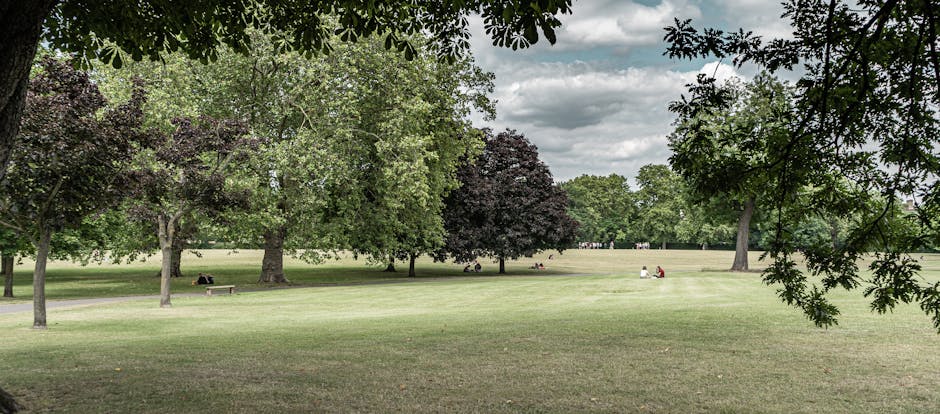
Avoid Hidden Garden Clearance Fees in Sydenham Hill: A Practical Guide to Clear Pricing
If you are planning a garden clear-out in Sydenham Hill, the last thing you want is a bill that keeps growing after the work has started. Hidden charges can turn a straightforward job into a frustrating one very quickly. This guide shows you how to avoid hidden garden clearance fees in Sydenham Hill, what should be included in a proper quote, and how to spot the little add-ons that often catch people out. A tidy garden should leave you feeling lighter, not annoyed.
Whether you are clearing overgrown beds, removing green waste, dealing with old timber, or resetting a neglected plot, a clear pricing conversation upfront makes all the difference. We will walk through the usual fee traps, the best questions to ask, and the simple checks that protect your budget without making the process complicated.
Why Avoid Hidden Garden Clearance Fees in Sydenham Hill Matters
Garden clearance looks simple from the outside. Cut back the growth, load the waste, sweep up, done. But in real life, the final price can change if the job was described loosely, access was tighter than expected, or waste volumes were underestimated. That is why it pays to be a little sceptical and a lot specific.
In Sydenham Hill, gardens can vary a great deal. Some are compact and easy to access, while others have side passages, slopes, mature planting, awkward trees, or old landscaping materials tucked away in corners. One quick glance is rarely enough to price the work properly. If you do not clarify what is being cleared, how it will be removed, and what counts as extra, surprises can creep in.
Let's face it: no one enjoys hearing "that wasn't included" after the work is half finished. A good provider should make pricing feel calm and transparent. Clear scope. Clear waste. Clear labour. That is the standard to aim for.
It also matters for trust. A clear quote is usually a sign of an organised operator who knows how to assess a garden properly. A vague quote, by contrast, often means the customer is being asked to absorb uncertainty. Not ideal.
How Avoid Hidden Garden Clearance Fees in Sydenham Hill Works
The process starts before any tools are lifted. A reliable garden clearance estimate should be based on the actual work required, not just a quick "small, medium, large" guess. That means the clearer you are about the job, the more accurate the quote should be.
Here is what usually shapes the final cost:
- Volume of waste: How much material needs to be removed, including branches, soil, roots, clippings, and bulky items.
- Type of waste: Green waste is different from mixed waste, timber, soil, concrete, or old fixtures.
- Access to the garden: Narrow side access, stairs, shared pathways, or long carrying distances can change labour time.
- Condition of the space: A lightly messy garden is very different from one that has been left for years.
- Special handling needs: Anything sharp, heavy, invasive, or potentially hazardous may require extra care.
- Disposal requirements: Some material needs segregating, bagging, loading, or separate disposal.
The hidden-fee problem usually appears when one of these details is not discussed early enough. For example, a quote might cover "garden clearance" but not mention stump removal, dismantling old planters, or moving heavy rubble from the rear boundary. Those gaps are where final invoices get awkward.
If you want a broader picture of the service mix behind a clearance job, it can help to look at related pages such as gardening services, garden maintenance, and patio cleaning. They show how a garden project can be split into clear parts rather than bundled in a way that muddies the price.
Key Benefits and Practical Advantages
Getting pricing right does more than protect your wallet. It makes the whole job smoother. A clear quote sets expectations for both sides and reduces the back-and-forth that often slows a project down.
- Better budgeting: You know what you are likely to pay before the work begins.
- Less stress: No one wants a running argument about "extras" at the end of the day.
- Faster decisions: Transparent pricing makes it easier to compare providers.
- Cleaner scope control: Everyone understands what is and is not included.
- More efficient work: A well-defined job is usually completed faster and more neatly.
There is another benefit people sometimes overlook: better planning for the rest of the garden. Once clearance is done properly, you can move straight into improvement work rather than repeating the same tidy-up later. That might mean reseeding, adding structure, sorting shade issues, or deciding what should stay and what should go.
If your garden needs more than one kind of work, it is worth exploring related tasks like hedge trimming, lawn care, or landscaping so the project is planned as a whole rather than in bits and pieces. That usually helps keep pricing more honest and easier to follow.
Who This Is For and When It Makes Sense
This topic matters to more people than you might think. It is not just for homeowners with a jungle at the back door. Hidden fees can affect anyone booking garden clearance, from landlords and letting agents to busy families and older residents who simply want the space made safe again.
You will benefit most from this guidance if you are:
- dealing with a one-off clear-out after months or years of build-up
- preparing a garden for sale, rental, or photos
- clearing storm damage or seasonal debris
- removing invasive growth, tangled climbers, or excess cuttings
- updating an outdoor area before a bigger redesign
- trying to compare quotes from several providers without getting caught by fine print
It also makes sense if you have pets or children using the garden. A cluttered or neglected space can hide broken glass, sharp branches, rusted metal, and other bits you definitely do not want underfoot. In that case, the cost question is only part of the picture. Safety matters just as much.
For households thinking about making the area safer and easier to use, the articles on safe outdoor spaces for kids and gardening with dogs offer useful context for planning a garden that works in everyday life, not just on paper.
Step-by-Step Guidance
If you want to avoid surprise charges, the easiest approach is to treat the quote like a mini project brief. A few careful steps now can save a lot of bother later.
- Describe the job in plain English. Say exactly what needs clearing. Be specific about borders, beds, lawn waste, branches, ivy, rubble, old pots, or broken items.
- Share photos or arrange a visit. A photo walkthrough helps, but for awkward gardens a proper look is better. Uneven access and hidden waste are often where extra costs come from.
- Ask what is included. Labour, loading, waste removal, sweeping, and basic disposal should all be clear. If any of those are separate, ask why.
- Check what counts as extra. Heavy waste, soil removal, stump grinding, dismantling structures, or long carry distances can all affect the price.
- Confirm the waste type. Green waste, mixed waste, and inert materials are not the same thing. The quote should reflect that.
- Ask about access constraints. Narrow gates, steps, side alleys, or limited parking can slow the work and should be mentioned early.
- Get the final scope in writing. A message, email, or formal quote is far better than a quick verbal estimate you might forget later.
- Agree on change handling. If extra items are discovered on site, ask how approval for added cost will be handled before work continues.
A small practical note: the best time to catch hidden fees is before the gardener or clearance team arrives. Once the van is outside and everyone is looking at the same pile of waste, it is much easier for a vague estimate to drift upwards. No drama, just better preparation.
Expert Tips for Better Results
Over time, the simplest pricing habits usually prove the most effective. Nothing flashy. Just proper communication and a little discipline.
- Use photos with scale. A single wide shot can hide a lot. Add close-ups of the worst areas.
- List every "maybe" item. If you are not sure whether something should be removed, mention it anyway. Surprises are expensive.
- Ask whether loading time is included. Some quotes assume easy access and quick loading. Others do not.
- Clarify whether sweep-up is included. A tidy finish should be part of a professional clearance job unless stated otherwise.
- Check payment terms carefully. You should know when payment is due and what method is accepted. If you want more detail, the site's payment and security page is a useful companion read.
- Compare like with like. Do not compare one all-in quote against another that excludes disposal or labour. It sounds obvious, but people do it all the time.
Truth be told, a good provider should not mind careful questions. If anything, they should welcome them. It saves awkwardness later and usually leads to a cleaner, more realistic outcome.
Also, if your garden clearance is part of a wider transformation, you may find useful ideas in kickstarting a garden makeover and budget-friendly garden ideas. A little planning often prevents a lot of waste, financially and otherwise.
Common Mistakes to Avoid
The biggest mistakes are usually simple ones. Not because people are careless, but because garden clearance feels straightforward until it suddenly isn't.
- Accepting a quote without a breakdown. If you cannot see what you are paying for, you are taking a leap.
- Forgetting access details. A narrow gate or long carry to the front road can alter the job quite a bit.
- Ignoring hidden materials. Old sleepers, concrete, broken fencing, and soil can all sit quietly under the obvious mess.
- Assuming all waste is the same. Mixed waste and green waste are not priced or handled identically.
- Not agreeing scope changes in advance. If the team finds more work than expected, make sure you approve the change first.
- Choosing the cheapest quote blindly. A very low price can sometimes mean key tasks were left out.
One of the most common situations is this: a client asks for "a bit of garden clearance" and imagines that the provider will understand the whole picture. The provider, meanwhile, is pricing a light tidy rather than a deep clear-out. The mismatch is where the trouble starts. A few extra words at the beginning would have solved it. Slightly annoying, but easy to fix next time.
If weeds or invasive climbers are part of the problem, it may help to read weed control tips and ivy removal strategies. That kind of growth often adds both labour and disposal complexity, so it is worth identifying early.
Tools, Resources and Recommendations
You do not need specialist software to avoid hidden fees. You just need a sensible method for recording what the job involves and what has been agreed.
- Phone photos: Simple, effective, and easy to send.
- Notes app or checklist: Useful for listing every area to be cleared and any awkward details.
- Measuring tape: Handy if the size of the garden or waste piles is part of the estimate.
- Before-and-after reference shots: Helpful if you want a clear record of what changed.
- Written quote or email summary: Best for keeping agreed details in one place.
Recommended house-keeping habit: keep all quote-related messages together. Screenshots are fine. It is old-school, maybe, but very useful when a query comes up later. You will thank yourself.
For broader planning and service decisions, these pages can also help you understand the wider picture: pricing and quotes, about the team, and the complaints procedure. They are useful reference points if you want a service relationship that feels transparent from the start.
Law, Compliance, Standards, or Best Practice
For garden clearance, the legal and practical expectation is fairly straightforward: waste should be handled responsibly, work should be carried out safely, and pricing should not be misleading. That means the customer should know what is included, and the provider should understand how waste, access, and safety affect the job.
In the UK, professional operators are generally expected to manage waste in line with applicable waste-handling rules and environmental responsibilities. You do not need to become an expert in the paperwork, but it is reasonable to ask how waste will be removed and disposed of. If a job involves mixed waste, soil, timber, or materials that could require separate handling, that should be discussed before anyone starts loading a van.
Best practice also includes:
- clear written scope
- honest explanation of extra charges, if any
- appropriate safety measures around tools, lifting, and debris
- careful handling of sharp, heavy, or awkward materials
- a tidy finish, unless the quote specifically says otherwise
If you are concerned about site safety or insurance cover, it is sensible to review the business's insurance and safety information and health and safety policy. Those pages help you judge whether the provider takes risk and responsibility seriously, which matters more than people sometimes realise.
You may also want to check the terms and conditions so there is no ambiguity around estimates, cancellations, or changes to the job. A little reading now can prevent a fairly irritating conversation later.
Options, Methods, or Comparison Table
Different pricing styles suit different garden jobs. The main thing is to know what you are buying.
| Pricing method | Best for | Strengths | Possible risk |
|---|---|---|---|
| Fixed quote | Clear, well-defined clearances | Simple, easy to budget, fewer surprises | Can exclude items if scope was not described well |
| Hourly rate | Uncertain or evolving jobs | Flexible for unpredictable work | Final cost can rise if the job expands |
| Waste-based estimate | Jobs with lots of spoil or mixed debris | Useful when volume is the key driver | Underestimating volume may lead to add-ons |
| Visit-first quote | Awkward access or larger gardens | Usually the most accurate option | Takes a little more time upfront |
If your garden has a lot of structural work mixed into the clearance, a more tailored service mix may be more practical than a simple one-price tidy-up. That could mean combining clearance with tree surgery, fencing, or decking services where relevant. Not every job needs that, of course, but it helps to know the options.
Case Study or Real-World Example
Imagine a small rear garden in Sydenham Hill that has not been touched properly for a season or two. The owner asks for a clearance quote and says, "It's just some overgrowth and a few bags of waste." On arrival, the team finds tangled brambles, an old broken planter, a half-hidden stack of timber, and a narrow access route through the side passage. Not dramatic, just more than expected.
If the quote was based only on the first description, the final price would likely need adjustment. If the customer had already provided photos, noted the timber stack, and mentioned the access route, the quote could have been more accurate from the start. Same garden. Different outcome.
That is the key lesson. Hidden fees are often not hidden because someone is trying to be sneaky. They appear because the work was described too broadly. The best fix is precision. A bit more detail in the beginning saves a lot of friction at the end.
And if the garden is in a very overgrown state, it may also help to read about essential gardening tools and beginner gardening tips. Even if you are not doing the work yourself, those articles help you understand the language of the job a little better.
Practical Checklist
Use this before you accept any garden clearance quote.
- Have I described every area that needs clearing?
- Have I shared clear photos, including awkward corners?
- Do I know what labour is included?
- Do I know whether waste removal and disposal are included?
- Have I asked what counts as an extra charge?
- Have I mentioned access issues, steps, gates, or parking?
- Do I know whether the quote covers sweeping and basic tidy-up?
- Have I asked how added work will be approved if it appears on site?
- Is the quote written down clearly?
- Am I comparing this quote against another on the same basis?
If you can tick all of those off, you are already in a much stronger position. You may still find small adjustments in unusual jobs, but the big, unpleasant surprises are far less likely.
Key takeaway: the cheapest quote is not always the best value. The clearest quote usually is.
Get a free quote today and see how much you can save.
Conclusion
To avoid hidden garden clearance fees in Sydenham Hill, focus on clarity before work begins. Describe the job properly, check what is included, ask about access and waste, and insist on a written scope you can actually refer back to later. That is the real secret. Not dramatic, just sensible.
A good clearance job should leave you with a cleaner garden and a clear head. If the process feels open and straightforward, you are probably dealing with the right kind of provider. And once the clutter is gone, the garden starts to breathe again. You notice the light, the space, the shape of things. Nice feeling, that.
For a smooth next step, compare your notes, review the relevant service information, and only book when the pricing makes sense to you, not just on paper but in practice too.
Frequently Asked Questions
What are hidden garden clearance fees?
They are extra charges that appear after a quote has been given, usually because the scope was not fully defined. Common examples include waste disposal, difficult access, heavy materials, or additional labour.
How do I avoid surprise charges on a garden clearance job?
Give a full description, share photos, ask what is included, and get the quote in writing. If anything sounds vague, ask for a breakdown before you agree.
Should a garden clearance quote include waste removal?
It often should, but not always. That is exactly why you should ask. A proper quote should say whether loading, transport, and disposal are included or charged separately.
Why does access to my garden affect the price?
Because awkward access can increase time and labour. Narrow side paths, stairs, long carrying distances, and limited parking all make the job more involved.
Is a fixed quote better than an hourly rate?
For a clear, well-defined clearance, a fixed quote is usually easier to budget for. Hourly rates can work for unpredictable jobs, but the final cost may rise if the job expands.
What information should I send when asking for a quote?
Send photos, the garden size if you know it, details of what needs clearing, and any access issues. If there are heavy or mixed materials, mention those too.
Can a garden clearance company charge more on the day?
Sometimes, yes, if the actual work is broader than described. That said, any added cost should be explained clearly, and you should be asked to approve it before work continues.
Do I need to worry about safety during garden clearance?
Yes, especially if there is broken glass, rusted metal, sharp branches, uneven ground, or heavy debris. A professional provider should have sensible safety practices in place.
What if my garden has a lot of ivy or brambles?
Dense growth usually increases labour and can affect disposal too. It is best to mention it early, because invasive or tangled material often takes longer to remove than people expect.
Are written quotes really necessary?
Absolutely. A written quote gives you something to check against if the scope changes. Even a short email summary is better than relying on memory alone.
Can hidden fees be avoided completely?
In most cases, they can be greatly reduced, though unusual discoveries can still happen in a neglected garden. The more detail you provide up front, the safer you are.
What is the most important question to ask before booking?
Ask, "What exactly is included in the price?" It sounds simple, but that one question catches a surprising number of misunderstandings before they become expensive.