Hedge Trimming in Sydenham Hill: Shaping Healthy, Attractive Gardens All Year Round
Hedge trimming in Sydenham Hill is more than a routine garden chore. It is one of the most effective ways to keep outdoor spaces neat, healthy, and visually balanced. In a place like Sydenham Hill, where gardens often combine mature planting, varied property styles, and changing seasonal conditions, well-timed hedge trimming can transform the look and feel of a home. Whether you want crisp formal lines, softer natural shaping, or simple maintenance to keep boundaries under control, hedge care plays a major role in the overall presentation of your property.
For many homeowners, hedges are more than green borders. They provide privacy, reduce noise, define boundaries, and add structure to gardens. However, without regular hedge cutting, even the best plants can become overgrown, patchy, or unhealthy. Professional hedge trimming in Sydenham Hill helps restore order while encouraging dense, vibrant growth. It also supports long-term plant health, which is especially important for species commonly used in local gardens such as beech, yew, privet, laurel, hawthorn, and box.
In this article, we will explore the practical and aesthetic benefits of hedge trimming, the best times to schedule work, the techniques used by experienced gardeners, and why local knowledge matters. If you are looking to improve the appearance of your outdoor space, hedge trimming in Sydenham Hill is a simple but powerful investment in your garden’s future.
Why Hedge Trimming Matters in Sydenham Hill

Hedges need regular care to stay healthy and attractive. Left unattended, they can grow unevenly, block light, encroach on paths, and become difficult to manage. In Sydenham Hill, where many gardens are designed to complement period homes and landscaped surroundings, the condition of a hedge can have a major impact on kerb appeal. A tidy hedge frames the garden beautifully, creates a sense of privacy, and makes the whole property look more cared for.
There is also a strong practical side to hedge trimming in Sydenham Hill. Overgrown hedges can shade lawns and flowerbeds too heavily, reducing plant performance in other areas. Trimming helps maintain airflow and light penetration, both of which contribute to healthier growth. For boundary hedges, regular cutting ensures they do not spread onto pavements, driveways, or neighbouring properties.
Well-maintained hedges are one of the easiest ways to elevate a garden’s appearance without major landscaping work. A consistent hedge trimming schedule can make a noticeable difference to how spacious, tidy, and balanced a garden feels.
Common Hedge Types Found in Local Gardens
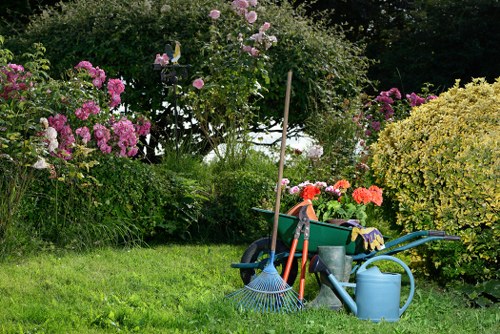
Hedge trimming in Sydenham Hill must often account for different hedge species, each with its own growth pattern and care needs. Some hedges respond well to frequent light trimming, while others require a more selective approach. Knowing the type of hedge you have helps ensure it is cut in a way that supports healthy regrowth rather than stress or damage.
Some of the most common hedge varieties in the area include:
- Privet – fast-growing and ideal for formal shaping
- Laurel – broad-leaved, dense, and excellent for privacy
- Beech – attractive, seasonal, and popular for elegant boundaries
- Yew – slow-growing, long-lived, and perfect for precise shaping
- Hawthorn – hardy and often used for more natural boundary hedges
- Box – small-leaved and suitable for detailed garden structure
Each of these responds differently to hedge cutting, so a skilled approach is important. For example, yew can tolerate careful trimming throughout much of the year, while beech and laurel may benefit from a more seasonal routine. Using the right technique helps maintain colour, density, and shape while avoiding unnecessary stress.
When to Schedule Hedge Trimming

Timing matters in hedge trimming in Sydenham Hill. While many hedges can be trimmed more than once a year, the ideal schedule depends on the species, the desired appearance, and local growing conditions. In general, late spring and late summer are popular times for many hedge types because they allow plants to recover during active growth periods.
Some hedges, especially formal varieties, may benefit from light but regular cutting to maintain their shape. Others should be trimmed less often to avoid disturbing nesting birds or interrupting flowering. Seasonal awareness is especially important in residential areas where gardens may support wildlife. A responsible hedge maintenance plan balances neatness with ecological care.
For many homeowners, the best approach is to monitor growth and trim before hedges become difficult to shape. Hedge trimming in Sydenham Hill is often most effective when carried out proactively rather than reactively. This keeps the work manageable and reduces the risk of cutting back too much at once.
Seasonal considerations to keep in mind
Here are a few useful timing tips:
- Trim lightly in the growing season to maintain shape.
- Avoid heavy cutting during active nesting periods.
- Leave enough time for hedges to recover before winter.
- Adjust the schedule according to hedge type and growth rate.
Benefits of Professional Hedge Trimming

Although some homeowners carry out hedge cutting themselves, professional hedge trimming in Sydenham Hill offers clear advantages. Experienced gardeners understand how different species respond to pruning, how to create neat lines, and how to avoid common mistakes such as leaving bare patches or cutting too deeply. This can save time while producing a much cleaner finish.
Professional work also tends to be safer and more efficient. Tall or wide hedges can be awkward to reach without the right equipment. Proper tools, ladders, protective gear, and technique all matter when working at height or near boundaries. By choosing a trained service, property owners can avoid the physical strain and risk associated with uneven or overextended trimming jobs.
Another important benefit is consistency. A skilled hedge trimming service can maintain the same style across seasons, which is especially valuable for properties that rely on strong garden structure. Whether the aim is sharp geometric precision or a softer natural look, professional hedge cutting ensures the hedge remains an asset rather than a maintenance burden.
What a professional service often includes
- Assessment of hedge health and shape
- Careful trimming to the correct profile
- Removal and clearing of clippings
- Advice on future hedge maintenance
- Attention to access, safety, and surrounding plants
How Hedge Trimming Improves Garden Health

Hedge trimming in Sydenham Hill does not only improve appearance; it also supports the health of the plants themselves. When hedges are trimmed correctly, they often become denser and more robust. This is because controlled pruning encourages branching and new growth, helping the hedge fill out evenly rather than becoming leggy or sparse.
Trimming can also reduce the risk of disease by improving airflow through the plant. Dense, neglected hedges may trap moisture, which can create conditions that encourage fungal issues. A tidy, open structure helps the hedge breathe and receive light more evenly. This is particularly important in shaded gardens or along damp boundary lines where growth conditions can be less than ideal.
In addition, well-managed hedges are easier to inspect for pests or damage. Small issues can be spotted early before they spread. That makes regular hedge trimming a practical part of broader garden care, not simply a cosmetic task. Healthy hedges add long-term value and resilience to a property.
Key health advantages of proper hedge cutting
- Encourages thicker, more even growth
- Improves light and air circulation
- Helps identify pests or disease early
- Reduces the risk of overcrowding and breakage
- Supports a cleaner, more stable hedge structure
Shaping Hedges for Different Garden Styles
Sydenham Hill gardens vary widely, and hedge trimming should reflect the character of each outdoor space. Some homeowners prefer formal, architectural lines that bring structure to a front garden or courtyard. Others want a softer, more natural finish that blends into planting beds and lawns. Hedge cutting can be adapted to both styles, making it one of the most versatile garden services available.
Formal hedges are usually trimmed with precision to create clean edges, level tops, and straight faces. This style works well around townhouses, driveways, and elegant front gardens. By contrast, informal hedges may be lightly shaped to preserve a looser, more natural look while still keeping growth controlled. The goal is to match the hedge to the surrounding landscape and the owner’s preferred aesthetic.
When done well, hedge trimming in Sydenham Hill becomes part of the overall garden design rather than just maintenance. It helps frame focal points, improve proportions, and create visual rhythm throughout the space. A carefully shaped hedge can even make a small garden feel larger and more organized.
Popular shaping approaches
- Flat-topped formal trimming for clean symmetry
- Rounded shaping for softer visual appeal
- Tapered sides to help light reach the lower hedge
- Selective reduction to restore balance and height control
Safety, Access, and Responsible Hedge Care
Proper hedge trimming in Sydenham Hill also requires attention to safety and responsibility. Tall hedges, uneven ground, nearby roads, and boundary walls can all create challenges during cutting work. Using the right approach helps prevent accidents and protects both the gardener and the property.
It is also important to be mindful of local wildlife. Hedges can provide shelter and nesting opportunities for birds, insects, and small animals. Responsible trimming schedules avoid unnecessary disturbance and support biodiversity where possible. This is one reason why timing and inspection before cutting matter so much.
Property owners should also consider neighbours and public spaces. Hedges bordering pavements or shared boundaries must be trimmed neatly and without obstructing access. Clean edges, safe clearances, and respectful upkeep all contribute to a better garden environment for everyone nearby.
Useful safety and responsibility points
- Check hedge height and access before starting
- Use secure equipment and appropriate protective gear
- Look for nesting activity before major trimming
- Keep paths, driveways, and entrances clear
- Dispose of clippings promptly and responsibly
Why Local Knowledge Matters in Sydenham Hill
Local knowledge is a major advantage when it comes to hedge trimming in Sydenham Hill. Gardens in this area may face specific conditions such as partial shade, mature tree cover, varied soil quality, or exposure to street-level traffic. A local approach takes these factors into account, helping ensure the hedge receives the right kind of care.
Understanding the appearance and pace of growth in the area also matters. Some streets feature more formal, decorative landscapes, while others have larger, more natural gardens that require broader shaping and maintenance. A hedge trimming service familiar with Sydenham Hill can work in a way that suits the property’s character and the homeowner’s expectations.
There is value in choosing a service that understands how local gardens are lived in and used. Many outdoor spaces in Sydenham Hill serve as private retreats, family areas, and visual extensions of the home. Good hedge maintenance helps these spaces feel tidy, private, and inviting throughout the year.
Signs Your Hedge Needs Trimming
It is not always obvious when hedge trimming in Sydenham Hill is overdue. Some hedges grow slowly and can look acceptable for longer, while others expand quickly and lose their shape within a short period. Knowing the warning signs helps you act before the hedge becomes harder to manage.
Common signs include uneven growth, branches extending beyond the intended boundary, reduced light in the garden, and a general loss of shape. If the hedge is becoming too wide at the base or top, it may also be blocking pathways, windows, or driveways. A hedge that looks thin in places may need careful trimming to encourage better density over time.
Regular observation is one of the simplest ways to keep hedge maintenance under control. If you can see that the outline has softened or the hedge is beginning to dominate the space, it is probably time for cutting or reshaping.
Visual clues to watch for
- Branches reaching beyond the planned line
- Uneven height or width
- Light being blocked from nearby plants
- A rough, untidy outline
- Difficulty opening gates, doors, or paths
Long-Term Value of Regular Hedge Maintenance
Consistent hedge trimming in Sydenham Hill creates long-term value in several ways. A well-kept hedge gives a property a more polished and finished appearance, which can be especially important if the garden is visible from the street. Over time, regular maintenance can also reduce the need for more dramatic corrective cutting, saving effort and keeping the hedge in better condition.
There is also the matter of property presentation. A garden with carefully trimmed hedges looks more intentional and welcoming. Even simple front boundaries can make a strong impression when they are trimmed cleanly and proportionally. For many homeowners, this visual improvement is one of the easiest ways to elevate a home’s exterior.
Beyond appearance, regular hedge care supports the longevity of the plant itself. Hedges that are maintained consistently are less likely to become woody, misshapen, or damaged by heavy corrective pruning. In that sense, hedge trimming is both a short-term improvement and a long-term protective measure.
Choosing the Right Approach for Your Hedge
Not every hedge should be treated the same way. The right hedge trimming method depends on the plant type, age, growth rate, and purpose of the hedge. A privacy hedge may need to stay dense from top to bottom, while an ornamental hedge may be trimmed for neatness and proportion rather than maximum coverage.
Before any work begins, it helps to think about the outcome you want. Do you need height reduction, side shaping, seasonal tidying, or a full reset after neglected growth? Clear goals lead to better results. Professional hedge trimming in Sydenham Hill can then be tailored to support that outcome without overcutting or leaving the hedge lopsided.
For homeowners who want reliable results, the best approach is often a combination of observation, seasonal planning, and regular light maintenance. That keeps the hedge healthy and prevents the need for major intervention later on. Consistency is usually far more effective than waiting until the hedge has grown out of control.
Practical questions to consider
- What species is the hedge?
- Is the main goal privacy, decoration, or boundary marking?
- Does it need gentle shaping or significant reduction?
- How quickly does it grow through the seasons?
- Is the hedge affecting light, access, or surrounding plants?
Make the Most of Hedge Trimming in Sydenham Hill
Hedge trimming in Sydenham Hill is one of the smartest ways to keep a garden tidy, healthy, and visually appealing. It improves structure, supports plant growth, and helps outdoor spaces feel more usable and welcoming. Whether your hedge is formal and clipped or relaxed and natural, the right trimming approach can make a dramatic difference.
By staying on top of hedge maintenance, you can enjoy cleaner boundaries, better light, and a more polished garden all year round. The work may seem simple, but its impact is often significant. A carefully trimmed hedge can lift the entire look of a property and make the garden feel like a true extension of the home.
If your hedge is starting to lose shape or grow beyond its intended limits, now is the right time to act. Book your service now and keep your outdoor space looking its best. Contact us today to arrange professional hedge trimming in Sydenham Hill and give your garden the clean, healthy finish it deserves.