Emergency tree removal gardeners Sydenham Hill costs now: what affects the price and what to do next
When a tree splits in high wind, leans over a driveway, or drops heavy limbs across a garden path, you do not have time for vague advice. You need clear information, fast. That is exactly why people search for Emergency tree removal gardeners Sydenham Hill costs now - they want to know what urgent removal involves, what it may cost, and how to get the job done safely without paying for avoidable delays.
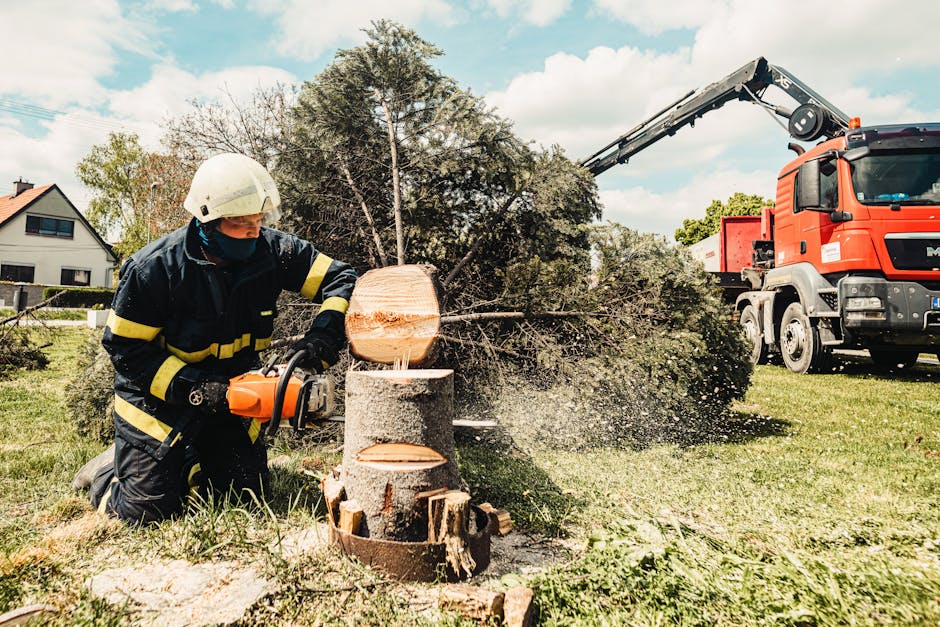
In Sydenham Hill, emergency tree work is usually about more than just cutting a tree down. It can involve making the site safe, protecting nearby fencing or paving, controlling access, and arranging removal in awkward conditions. To be fair, that is where costs can shift quickly. A simple straight removal is one thing; a dangerous tree hanging over a structure is another entirely.
This guide breaks down how emergency tree removal is priced, what drives the cost up or down, when urgent action is genuinely necessary, and how to choose the right gardener or tree specialist with a steady head and no panic.
Quick expert summary: the fastest quote is not always the best one, but in an emergency you should prioritise safety, response time, insurance, and the method of removal first. Price matters, of course, yet access, risk, and cleanup usually shape the final figure more than the tree's height alone.
Table of contents
- Why emergency tree removal costs matter in Sydenham Hill
- How emergency tree removal pricing works
- Key benefits and practical advantages
- Who needs emergency tree removal and when it makes sense
- Step-by-step guidance
- Expert tips for better results
- Common mistakes to avoid
- Tools, resources and recommendations
- Law, compliance, standards and best practice
- Options, methods and comparison table
- Case study or real-world example
- Practical checklist
- Conclusion
- Frequently asked questions
Why Emergency tree removal gardeners Sydenham Hill costs now Matters
Emergency tree work is one of those services people rarely plan for. Then a storm rolls through, a dead branch comes down with a crack, or a mature tree starts lifting roots and you are suddenly dealing with risk rather than routine garden care. That is when the cost conversation becomes urgent too.
In practical terms, the price matters because emergency work is usually time-sensitive, potentially hazardous, and highly dependent on site conditions. A tree that is only partially damaged may need careful sectional dismantling rather than a quick cut. If the tree is near a house, boundary fence, garden office, shed, or public walkway, the method has to change again. More caution means more labour, more equipment, and more time on site.
People often ask, "Why does one emergency callout cost so much more than a standard removal?" The answer is simple enough: risk. A normal planned job gives the team time to assess, schedule, and prepare. An emergency may mean working in poor light, after heavy rain, or with unstable timber already under strain. Nobody sensible rushes that kind of work. Not if they want to keep people safe.
For local homeowners, landlords, managing agents, and businesses in Sydenham Hill, understanding the cost structure helps you make a calm decision instead of a panicked one. It also helps you compare quotes properly. A lower figure might look tempting, but if it excludes clearance, stump handling, or safety controls, the final bill can creep up anyway.
If you want to see how a provider positions its services, pricing information, and service standards, it is worth reviewing the site's own pricing and quotes guidance alongside its tree lopping and removal service and tree surgery page. That at least gives you a better feel for what is included before you pick up the phone.
How Emergency tree removal gardeners Sydenham Hill costs now Works
Emergency tree removal is usually priced after a quick assessment of the risk and the access requirements. In many cases, a gardener or tree contractor will ask for photos, a brief description of the problem, and the location of the tree in relation to buildings, roads, fences, and overhead wires. Sometimes that is enough to give a rough estimate. Sometimes it is not. Trees like to be difficult. Nature has a sense of humour, apparently.
The cost is often shaped by a few core factors:
- Urgency: same-day or out-of-hours attendance usually costs more than planned work.
- Tree condition: a leaning, split, storm-damaged, or partially fallen tree may require sectional dismantling.
- Size and species: taller trees, dense crowns, and heavy timber usually take longer to remove.
- Access: tight side passages, restricted driveways, and awkward rear gardens can increase labour.
- Risk level: nearby structures, glass, power lines, or unstable ground can make the job slower and more technical.
- Waste removal: if branches, logs, and arisings need clearing immediately, that usually affects the price.
- Equipment needs: climbing gear, lowering systems, stump grinders, or traffic control all add to the job complexity.
Emergency pricing is not always a neat menu. More often, it is a practical estimate based on how much specialist work is involved. A tree that has already fallen clear of buildings may be relatively straightforward. A tree wedged over a roof edge, or one that could shift unexpectedly, requires a very different approach.
If you are comparing options, ask whether the quote is for make safe only or for full removal and clearance. Those are not the same thing, and the difference can be several hours of work. A proper quote should say whether the team is removing the tree entirely, leaving the timber stacked, or returning later for stump work and final clearance.
Key Benefits and Practical Advantages
The obvious benefit is safety, but there are a few more practical advantages that are easy to overlook when you are staring at a damaged tree and thinking, "right, this needs sorting now."
1. Faster risk reduction
Emergency tree removal reduces the chance of further collapse, impact damage, or injury. That matters most after storms, but also when decay or root failure is visible. One unstable limb can become two in a gusty afternoon.
2. Less secondary damage
Timely intervention can protect roofs, fences, patios, decking, and planted beds. In a compact London garden, one bad fall can spread damage fast. A tree that lands awkwardly can crush a fence panel, crack paving, or twist decking boards. That is why related services like fencing and decking services sometimes become part of the wider repair picture.
3. Cleaner decision-making
Once a dangerous tree is dealt with, everything else becomes easier to assess. You can see what remains, what needs pruning, and whether the garden needs a broader tidy-up or a follow-on garden clearance.
4. Better long-term garden health
Sometimes emergency work reveals that the tree was already in trouble. The removal of a failing specimen can protect nearby planting, reduce shade stress, and create space for a healthier replacement later. It is not always a happy moment, but it can be the right one.
5. Peace of mind
Honestly, this matters more than people admit. When a tree is hanging over your property, it is hard to relax. Once the situation is assessed and made safe, the whole garden feels different. Quieter, almost.
Who This Is For and When It Makes Sense
Emergency tree removal is not only for obvious disasters. It can make sense in a few less dramatic, but still serious, situations.
- Homeowners with a tree leaning after wind, rain, or visible root movement
- Landlords who need to reduce immediate hazards for tenants or visitors
- Property managers dealing with a tree near shared access routes
- People with split trunks, hanging branches, or major decay
- Garden owners whose tree has blocked access, driveways, or pathways
- Anyone with a tree resting on a fence, shed, garage, or conservatory roof
It also makes sense if a tree is not fully down yet, but it is clearly unstable. That "half-damaged but still standing" stage is awkward. It can look manageable from the kitchen window, then move suddenly when the weather changes. Truth be told, that is the kind of situation where people wait too long because the tree has not actually fallen. Waiting is sometimes fine. Sometimes it is a gamble.
If you are not sure whether the tree needs urgent removal or a less drastic intervention, a quick call about gardening services or tree surgery can help you separate an emergency from a serious but planned job. The distinction matters because it affects both cost and response time.
Step-by-Step Guidance
Here is the simplest way to handle an emergency tree removal request without making things more complicated than they already are.
- Keep people away from the tree. Do not stand under hanging branches or let children, pets, or neighbours wander near the hazard.
- Look for immediate danger. Check whether the tree is touching a house, wall, fence, shed, or visible service lines. If it is, mention that straight away.
- Take clear photos from a safe distance. A few wide shots and one or two closer images usually help the contractor assess the job. No need to get heroic with your camera.
- Describe what happened. Tell them whether it was storm damage, decay, sudden leaning, or a limb failure. Say whether the tree has moved again since the incident.
- Ask what the price includes. Confirm whether the estimate covers callout, labour, equipment, removal, and waste clearing.
- Check insurance and safety information. A credible provider should be able to explain how the work is managed and what safety controls are in place. Useful references include the site's insurance and safety information and health and safety policy.
- Book the earliest safe slot. If the tree is dangerous, delay is expensive in the wrong way. Fast action can prevent a much bigger repair bill later.
- Keep the area clear for arrival. Move vehicles if safe, unlock access gates, and make sure the team can reach the garden without fuss.
If the tree is already down and blocking access, there may also be a broader tidy-up needed. In that case, it is sensible to ask about garden maintenance after the emergency is resolved, especially if broken branches, bark debris, or torn turf have been left behind.
Expert Tips for Better Results
Here are the details that tend to separate a smooth emergency job from a messy one.
Be very clear about access. If the only entry is through a narrow side passage, say so. If there are steps, loose paving, or a sloping rear garden, mention that too. Access changes labour time more than many people expect.
Describe the tree honestly. "It's a medium tree" is not enough. If it has a split stem, dense crown, or visible decay, say that. A contractor can only price what they know.
Ask whether the tree needs dismantling, not just felling. In small urban gardens, especially where buildings are close, a sectional dismantle is often safer than a straight drop. That means the tree is removed piece by piece. Slower, yes. Safer, definitely.
Get clarity on waste. Some quotes include chipping and removal. Others leave timber in stacks for the client to deal with later. That changes the real cost, so it is worth asking upfront.
Keep one eye on the bigger garden picture. Sometimes the emergency tree job creates an opportunity to improve the space afterward. A damaged boundary might lead to fencing work. A cleared area might reveal the need for landscaping, lawn repair, or patio cleaning. Small silver lining, perhaps.
Use a provider with a transparent pricing process. Clear pricing guidance is a good sign that the business is used to explaining different job types properly. The page on pricing and quotes is useful for understanding how a sensible quote should be structured.
Common Mistakes to Avoid
Emergency jobs are stressful, and stress makes people cut corners. That is understandable. Still, a few mistakes come up again and again.
- Waiting too long. A leaning or split tree does not usually improve by itself.
- Choosing the cheapest callout without checking what is included. A low headline price can hide extra charges for cleanup, waste, or difficult access.
- Understating the risk. If the tree is close to a building, say so plainly. Do not downplay it to sound calmer.
- Ignoring insurance questions. If something goes wrong, that becomes a much bigger problem than the original tree.
- Not checking the difference between removal and pruning. Sometimes a branch reduction is enough. Sometimes it is not. The wrong service can waste both time and money.
- Forgetting follow-on repairs. After a tree removal, you may need fence repairs, stump management, or replanting decisions.
A small but common issue is people asking for "the fastest possible fix" and then being surprised that proper emergency tree work still takes time. A good team will not rush through unstable timber just to shave 20 minutes off the visit. That would be the wrong kind of efficiency.
Tools, Resources and Recommendations
You do not need to arrive with specialist kit. In fact, please do not try. But there are a few practical things that make emergency tree removal easier to manage.
- Phone camera: use it to photograph the tree from several angles.
- Simple site notes: jot down whether the tree is over a boundary, near glass, or blocking access.
- Gate or key access: if the crew needs to come through a locked side entrance, prepare that in advance.
- Neighbour coordination: if branches hang over a shared fence line, a quick heads-up can prevent awkward surprises.
- Aftercare plan: think ahead about whether you need stump work, clearance, or replacement planting.
For a broader sense of what the company offers around related outdoor work, it can help to browse gardening services and garden clearance. Those services often become relevant once the emergency itself is out of the way.
Practical recommendation: keep the first conversation focused on safety, access, and scope. Costs become much easier to understand when everyone is describing the same problem. Sounds obvious, but in the middle of a stressful call, people often skip the crucial details.
Law, Compliance, Standards and Best Practice
Emergency tree removal is one of those jobs where good practice matters as much as speed. Exact legal duties can vary depending on ownership, location, and the condition of the tree, so it is wise to treat this area carefully rather than casually. If a tree poses a danger, the person responsible for the property should act promptly and sensibly.
In normal UK practice, a reputable contractor should be able to explain how they manage site safety, what checks they carry out, and whether additional precautions are needed for nearby structures or access routes. That usually includes clear communication about risk, appropriate equipment, and safe working methods. If you are dealing with a tree close to a boundary, road, shared access way, or a neighbour's property, careful documentation is sensible too.
Insurance is another major part of best practice. If a tree has already caused damage or could do so, you want a provider that understands safe working and can explain their cover. The information on insurance and safety is the kind of thing worth checking before work starts, not after.
There is also a wider environmental side to consider. Removal should not mean waste for the sake of waste. Good practice usually includes sensible recycling or reuse of green material where possible, and that is where a provider's recycling and sustainability approach can be reassuring. Logs, chippings, and woody waste often have more than one possible destination, depending on the job and the client's preference.
Finally, if you are unhappy with how a job is handled, a proper complaints process matters. That should be clear and accessible, and it is a good sign when a business makes its complaints procedure easy to find.
Options, Methods, or Comparison Table
Not every dangerous tree needs the same approach. The right method depends on the tree's condition, the space around it, and how immediate the danger is. Here is a simple comparison to help you think it through.
| Option | Best for | Typical advantages | Possible drawbacks |
|---|---|---|---|
| Emergency full removal | Severe storm damage, unsafe leaning, split trunks, immediate risk to people or property | Fast risk reduction, clears the problem completely | Usually the highest cost and most disruptive option |
| Sectional dismantling | Trees near houses, fences, sheds, or tight gardens | Controlled, safer in restricted spaces | Takes longer and needs more skill |
| Make safe only | Very urgent situations where a full removal must wait | Reduces immediate danger quickly | May require a second visit later |
| Pruning or crown reduction | Tree is damaged but still stable enough for non-removal work | Lower cost, less waste, preserves the tree | Not suitable if the structure is compromised |
For homeowners, the real decision is not "remove or don't remove" in the abstract. It is usually "what is the safest minimum action right now?" Sometimes that is a full removal. Sometimes it is a careful cut-back, followed by monitoring. And sometimes, yes, the answer is that the tree should go. That is never fun, but a good contractor will explain why.
Case Study or Real-World Example
Imagine a mature garden tree in Sydenham Hill after a windy night. The homeowner wakes up to a loud snap and finds one heavy limb down across the lawn, with another hanging awkwardly over a side fence. The trunk itself is still standing, but the crown is clearly damaged and the remaining branches are under tension.
In a situation like this, the first cost driver is the hazard. The second is access. If the side return is narrow and the only working area is a small lawn bordered by fencing, the job likely needs sectional dismantling and controlled lowering rather than straightforward felling. If the tree is overhanging a neighbour's boundary, the team must work more cautiously still.
The final price would usually reflect a few things: emergency callout timing, the need for specialist equipment, labour time, waste removal, and any immediate make-safe work. If the contractor also removes the fallen limb, clears debris, and leaves the site tidy, that is likely to cost more than simply making the tree safe and returning later. But in real life, most people prefer the whole thing done properly in one go.
What happens afterward? Often, the homeowner then notices other issues they could not see before: a crushed fence panel, damaged shrubs, compacted turf, or a patio surface covered in bark and twig debris. That is where follow-up services such as fencing, patio cleaning, or even broader landscaping can help bring the garden back to normal.
Practical Checklist
Use this checklist before you request emergency tree removal or compare quotes.
- Confirm whether anyone is in immediate danger
- Keep people and pets away from the affected area
- Take safe photographs from a distance
- Note the tree size, location, and visible damage
- Check whether the tree is touching a building or fence
- Ask if the quote includes callout, labour, removal, and waste clearance
- Ask how access issues will affect the price
- Confirm insurance and safety arrangements
- Find out whether the work is full removal or make safe only
- Ask what happens to the timber and green waste after removal
- Plan for any follow-on repairs or clearance
- Keep the site accessible for the crew
Useful reminder: if the job is urgent, a clear and complete first call can save time, money, and a lot of back-and-forth. A few photos and honest detail go a long way.
Conclusion
Emergency tree removal in Sydenham Hill is one of those services where the cost is tied closely to real-world risk, not just tree size. Access, urgency, safety controls, waste handling, and the tree's condition all shape the final figure. Once you understand that, quotes become far easier to compare and the whole process feels less overwhelming.
If your tree is leaning, split, or partially fallen, the sensible move is to get it assessed quickly and choose the safest route rather than the cheapest headline number. That is especially true in tight residential gardens, where one unstable branch can cause more damage than people expect.
And if the emergency has already passed, there is still value in restoring the space properly. A little care afterward goes a long way. Gardens have a way of recovering, especially when the urgent bit is handled well.
Get a free quote today and see how much you can save.
Frequently Asked Questions
How much do emergency tree removal gardeners in Sydenham Hill cost now?
Costs vary because emergency tree work depends on urgency, access, size, risk, and whether the job includes full removal or only making the tree safe. A proper quote should explain what is included rather than giving a vague headline number.
What makes emergency tree removal more expensive than planned removal?
Emergency work usually requires faster attendance, more careful handling, and sometimes out-of-hours effort. If the tree is unstable or close to a structure, the team may need specialist equipment and extra time to remove it safely.
Can I just leave a damaged tree until the weather improves?
Only if it is genuinely stable and not posing a risk. If the tree is leaning, split, or touching a building, waiting can make the problem worse. A quick assessment is usually the safer choice.
Does emergency tree removal always mean the whole tree is taken away?
Not always. Sometimes the immediate job is to make the tree safe, remove the most dangerous sections, and return later for the rest. Ask whether the quote covers full removal or make safe only.
Will a quote include waste removal and tidying up?
It should be made clear in advance. Some quotes include branch chipping and clearance, while others only cover the tree work itself. Always check, because cleanup can affect the total cost quite a bit.
What should I send when asking for an emergency quote?
Photos from a safe distance, the tree's approximate size, access details, and a short description of the damage are usually enough to start. If the tree is over a fence, roof, or driveway, say that straight away.
Is emergency tree removal safe near fences, sheds, or patios?
Yes, if it is carried out by someone who understands controlled dismantling and safe working methods. In tight gardens, the tree may need to come down in sections rather than as one cut.
Should I check insurance before booking a tree removal team?
Yes. Insurance and safety arrangements matter a great deal when there is a risk of property damage or injury. A trustworthy provider should be able to discuss that plainly.
Can emergency tree work be combined with other garden jobs?
Sometimes, yes. Once the tree is dealt with, you may want follow-up work such as garden clearance, fencing repairs, patio cleaning, or wider garden maintenance. It often makes sense to sort these in stages.
How do I know whether I need tree surgery or full removal?
If the tree still has a sound structure, pruning or crown reduction may be enough. If there is severe splitting, root failure, or a major lean, removal may be the safer option. A careful site assessment is the best way to decide.
What if I need help after the emergency is over?
That is common. Many people move from emergency tree removal into restoration work, such as clearance, repairs, or general upkeep. If that is where you are now, reviewing the site's garden maintenance and garden clearance information is a sensible next step.
How can I compare quotes without getting confused?
Compare like with like: callout time, labour, access assumptions, removal, waste, and any follow-up work. A cheap quote can become expensive if it leaves out the messy but necessary parts.
For a calm, well-managed next step, check the service details, safety information, and pricing guidance before you book. It takes a few minutes, and in an emergency those minutes are usually well spent.