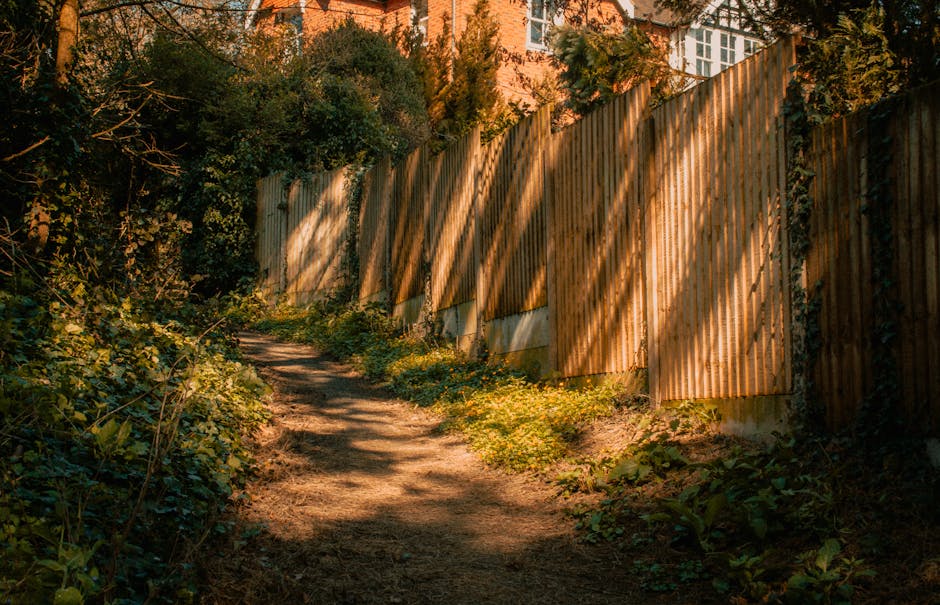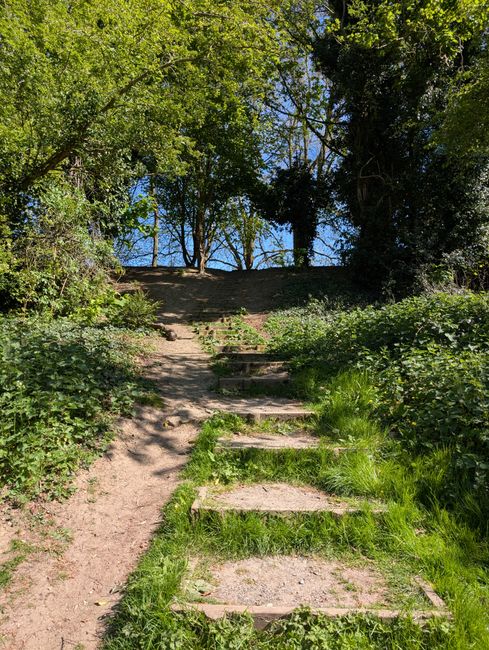
Garden maintenance on Sydenham Hill Wood steep access: a practical guide for tricky slopes, tight paths, and safer upkeep
If your garden sits on a steep slope or has awkward access around Sydenham Hill Wood, you already know it is not a normal tidy-up job. A simple mow can turn into a careful walk-on, carry-on, think-before-you-step kind of day. And that changes everything. Garden maintenance on Sydenham Hill Wood steep access needs more planning, better footing, the right tools, and a steadier approach than a flat suburban plot.
In this guide, we will break down how slope-aware maintenance works, what makes it safer, where the real risks sit, and how to keep the garden looking sharp without fighting the terrain every week. You will also find a practical checklist, a comparison of methods, and a realistic example of what good maintenance looks like on a steep site. Truth be told, the hill is not the enemy. Poor planning is.
Why Garden maintenance on Sydenham Hill Wood steep access Matters
Steep access changes the whole rhythm of garden care. On level ground, you can move quickly, park a barrow beside a border, or carry trimmings in one neat trip. On a slope, every movement has to be deliberate. The ground may be damp, uneven, shaded, or interrupted by narrow steps and side paths. That creates a very different maintenance environment, especially in leafy parts of south-east London where shade, roots, leaf fall, and moisture often combine.
This matters for three reasons. First, safety: slipping on a gradient is a real risk, especially when carrying tools or working after rain. Second, plant health: steep gardens often suffer from runoff, patchy soil, and compaction in the places people walk most. Third, long-term upkeep: if access is awkward, even small jobs get delayed, and the garden slowly becomes harder to manage. We see this all the time - a tidy front slope turns into a jungle of self-seeded growth simply because it is too much hassle to tackle often enough.
There is also the question of consistency. A steep garden can look good for a week, then fall behind fast if maintenance is rushed or poorly sequenced. A slope is not forgiving. It rewards routine, clear pathways, and a maintenance plan that fits the site rather than forcing the site to fit the plan.
Key takeaway: on steep-access gardens, the maintenance plan should be built around safety, control, and repeatability - not just appearance.
How Garden maintenance on Sydenham Hill Wood steep access Works
At its simplest, slope-aware garden maintenance is about breaking the work into manageable, safer stages. Instead of trying to do everything in one go, the job is usually planned around access routes, load carrying, waste movement, cutting direction, and ground conditions. That sounds a bit fussy, maybe, but it saves time and avoids those annoying mid-job interruptions where you realise the barrow cannot turn, or the cuttings are gathering exactly where you need to stand.
A good process usually starts with a site walk. The team checks where the steepest sections are, whether steps or handholds are secure, and how to move tools without creating trip hazards. Then comes task sequencing: lighter jobs such as sweeping, deadheading, edging, and inspection are done before heavier work like hedge reduction, mowing, or pruning. On a slope, the order matters more than people expect.
Access also affects the choice of equipment. A normal mower may be fine for a modest incline, but a very steep lawn often needs a lighter, more manoeuvrable approach. In some gardens, maintenance is split into zones so the team can work safely from the top down or side to side. That reduces unnecessary carrying and stops cut material from sliding into unfinished areas.
If you need a broader service framework that covers routine upkeep, a dedicated garden maintenance service is often the sensible starting point. And if the site involves overgrown edges, climbing plants, or a boundary that keeps getting out of hand, it can help to pair that with hedge trimming or targeted clearing work.
Key Benefits and Practical Advantages
Done properly, maintenance on a steep-access site gives you more than a neat finish. It creates a garden that is easier to live with. That sounds obvious, but it is the part people often forget. A well-managed slope is calmer, safer, and far less stressful to keep in shape.
- Safer movement: fewer slip points, clearer routes, and less carrying in risky positions.
- Better drainage awareness: maintenance can be timed and shaped around runoff, erosion, and soil washout.
- Cleaner presentation: edges, steps, and raised areas stay visually sharper when maintained regularly.
- Less plant crowding: steep gardens can become congested quickly, especially in shade.
- More reliable access: trimming back growth makes future visits easier, which is a big deal on awkward sites.
- Reduced wear and tear: controlled foot traffic helps protect paths, borders, and any fragile slope structure.
There is a quieter benefit too. A garden with a slope can feel rather exposed or difficult at first glance, but once maintenance is consistent, it starts to feel intentional. The movement of the terrain becomes part of the design. You notice how water runs, where light falls in the afternoon, and which plants actually enjoy the lean of the land. It gets easier to work with the garden instead of wrestling it.
If you are thinking about reshaping a difficult area, some of the ideas in the art and science of vertical gardening can be surprisingly useful on sloped ground, where layered planting and upward structure help make better use of space. For shade-heavy corners around woodland edges, evergreen climbers for shady corners are also worth considering.
Who This Is For and When It Makes Sense
This kind of maintenance is for homeowners, landlords, tenants with shared outdoor space, and anyone responsible for a garden where access is not straightforward. If you need to carry tools through narrow side returns, climb uneven steps, or work on a bank that gets slippery after rain, you are in the right place.
It also makes sense when the garden is near or within a wooded edge and has the usual mix of leaf litter, shade, roots, and seasonal growth bursts. Sydenham Hill Wood has that kind of character in the surrounding landscape: beautiful, leafy, and a bit demanding if you let it go. If that sounds familiar, maintenance is not a luxury. It is basic control.
You may especially need this service if:
- your lawn or beds sit on a visible incline;
- garden access is via steps, side slopes, or narrow passages;
- you have persistent weeds or self-seeded growth on banks;
- water runs downhill and strips soil from beds;
- the garden gets shaded for long periods;
- you cannot safely move bulky waste on your own;
- you want regular upkeep instead of occasional panic clean-ups.
Sometimes people only realise the scale of the challenge after one wet afternoon. They go out to trim a hedge, slip slightly, and suddenly the whole thing feels like too much. Fair enough. That is usually the moment to step back and plan the site properly.
Step-by-Step Guidance
Here is a practical way to approach steep-access garden maintenance without making a mess of it.
- Inspect the access route first. Check steps, handrails, path edges, mud patches, loose slabs, and overhanging growth. Do not carry anything heavy until you know where your feet are going.
- Work from the safest position possible. For many slopes, that means starting at the top and moving downward, or staying on level platforms where available.
- Clear obvious hazards. Remove dead branches, loose pots, slippery debris, and any tools left from previous jobs. You want the route clean before the main work starts.
- Separate light and heavy tasks. Deadheading, sweeping, and selective pruning come first. Bigger jobs like hedge reduction or cutting back overgrowth can follow once access is safer.
- Control waste as you go. Do not let cuttings pile up on the slope. Bags, tubs, and barrows should be placed where they will not slide or block the route.
- Protect the soil structure. Avoid repeated trampling on the same soft spots. In narrow routes, stepping off the main line can damage roots and compact borders fast.
- Finish with a stabilising tidy-up. Recheck edges, path surfaces, drainage points, and any areas where loose material may have rolled downhill.
For many gardens, a maintenance cycle works best when it includes regular mowing, border care, and periodic hard pruning. If the lawn forms part of the slope, a dedicated lawn mowing visit may be needed more often than you think. Sloped grass shows neglect quickly, and it can become patchy if the blade setup is wrong or the mowing direction is careless.
If the garden includes awkward beds or uneven terrain that needs reshaping, landscaping can help create better access points, safer levels, or more stable transitions between zones. Sometimes one small fix saves a lot of future hassle. Honestly, a decent path can be worth more than a fancy planter.
Expert Tips for Better Results
Here are the habits that tend to separate a tidy slope from a constantly messy one.
Keep access clear all year. Do not wait for a maintenance day to deal with the path. If a route is supposed to be used for tools, it should stay usable. Sounds simple, but this is where many steep gardens fail.
Choose planting that supports low-effort upkeep. Ground cover can reduce bare soil, which helps on banks that wash out or dry too fast. A well-chosen mix also limits weeds, which is a blessing when the access is awkward. The ideas in vibrant ground cover plants are worth a look if you want something practical rather than fussy.
Use vertical layers to your advantage. Slope gardens often work better when structure climbs upward instead of spreading sideways. Trellis, climbers, and tiered planting can simplify care. If you are rethinking a shaded bank, shade-friendly evergreen climbers can be a smart choice.
Mind wind and exposure. Elevated or open hillside gardens can get battered a bit. Pruning and staking should account for that. If your site catches gusts, the guidance in protecting plants from overbearing winds is highly relevant.
Think about the next visit, not just this one. When a job ends, ask: is it easier to access now than it was before? If not, the maintenance may have looked good today but created trouble tomorrow.
Stay realistic about what can be done safely by hand. A steep garden is not the place to improvise with heavy bags, awkward ladders, or overfilled wheelbarrows. One slightly clumsy trip can undo a whole morning. We have all had jobs where the barrow looked simpler in theory than it did halfway up the slope.
Common Mistakes to Avoid
Steep-access maintenance goes wrong in predictable ways. The good news is that most of them are avoidable.
- Starting without checking footing. Wet leaves, moss, and soft soil are enough to ruin the day.
- Carrying too much at once. Heavy loads make falls more likely and strain the body on inclines.
- Ignoring drainage. Water running downhill can undermine beds, loosen paving, and carry mulch away.
- Using the wrong cutting approach. A mower or trimmer not suited to the slope may leave uneven results or become difficult to control.
- Letting ivy or invasive growth spread. On woodland-edge sites, it can climb, spread, and tangle access points quickly. If that is already happening, expert ivy removal strategies are worth reviewing.
- Working around the problem instead of solving it. People often keep mowing the easy section and avoid the awkward one. The awkward section then gets worse. Not ideal.
- Forgetting seasonal changes. A slope that feels fine in summer may become slippery and unstable in winter.
Another common one: treating every steep garden like a flat lawn with a hill at the end. It is not. The whole maintenance pattern has to adapt.
Tools, Resources and Recommendations
You do not need every gadget under the sun. In fact, on steep access, too much equipment can make things harder. The best tools are the ones that are light, stable, and easy to move safely.
| Task | Best-fit approach | Why it helps on a slope |
|---|---|---|
| Grass cutting | Light, manoeuvrable mower or manual edging in small zones | Reduces drag and improves control |
| Leaf and debris clearing | Rake, broom, or handheld blower used in short passes | Prevents build-up on paths and steps |
| Hedge and shrub work | Selective pruning with staged cuttings removal | Stops waste from piling up downhill |
| Soil and planting maintenance | Smaller buckets, containers, or barrows with partial loads | Safer to carry and easier to place precisely |
| Access improvement | Path clearing, step checks, edging, and light landscaping | Makes every future visit smoother |
For many households, the practical service mix also matters. A steep site might need routine upkeep, occasional hedge work, lawn care, and maybe some targeted support with hard surfaces. If that sounds familiar, the combination of lawn care and patio cleaning can make a huge difference to day-to-day usability. Slippery paving and tired turf are a bad mix on a hillside, to be fair.
If the perimeter is the real headache - neighbours' views, wind exposure, or boundary wear - then fencing support can help stabilise the feel of the space and improve privacy without increasing maintenance burden too much.
Practical recommendation: keep a short list of "must-fix" access issues and review it after every visit. On a steep garden, small repairs add up fast.
Law, Compliance, Standards, or Best Practice
For domestic garden maintenance, there is usually no special legal rule unique to steep access itself, but good practice still matters. If a gardener or contractor is working on the site, the work should be carried out with reasonable care, sensible risk awareness, and appropriate insurance cover where relevant. That is especially important when there is a clear chance of slips, trips, or falling tools.
In the UK, it is normal to expect contractors to follow sensible health and safety procedures, use equipment properly, and avoid putting people at unnecessary risk. For the homeowner, the practical side is just as important: keep paths clear, flag unstable surfaces, and mention any access hazards before work begins. If there are pets, children, or shared access arrangements, those should be discussed too. A quick conversation saves a lot of awkwardness later.
It is also wise to review service terms, payment arrangements, and complaints routes before any ongoing work begins. If you want to understand the company's approach to safety and responsibilities, the pages on insurance and safety, health and safety policy, terms and conditions, and complaints procedure are sensible places to start.
Best practice on a steep garden also includes realistic scheduling. Wet weather, heavy leaf fall, and frozen ground can all change the risk level. There is nothing noble about forcing a job on the worst possible day.
Options, Methods, or Comparison Table
Different steep gardens need different approaches. Here is a straightforward comparison to help you decide what fits your site.
| Method | Best for | Pros | Trade-offs |
|---|---|---|---|
| Regular light maintenance | Busy gardens that need frequent touch-ups | Keeps access easier, limits overgrowth, reduces surprise problems | Needs consistency |
| Periodic deep clean and cut-back | Overgrown slopes or neglected areas | Restores control quickly, useful reset for access routes | More intensive, more waste to move |
| Combined maintenance plus landscaping tweaks | Gardens with poor paths, erosion, or awkward levels | Improves access long-term, not just appearance | Usually more planning involved |
| Plant-led low-maintenance approach | Shady banks and difficult-to-reach borders | Reduces mowing and frequent intervention | Plant selection needs care |
If the site feels too expensive to overhaul all at once, a lower-cost staged approach may be the way to go. The article on effortless garden ideas that won't break the bank offers a good mindset for that. And if you are thinking about redesign rather than pure upkeep, a broader garden makeover from scratch can help you reset the whole layout without trying to solve everything at once.
Case Study or Real-World Example
Imagine a mid-sized back garden with a steep side access, a shaded lower border, a small lawn section, and steps that get slippery after rain. The owner had been mowing only the flat patch near the house and leaving the rest until it became unbearable. By late spring, ivy had crept in, leaf litter had built up along the steps, and the route for garden waste was awkward enough that jobs kept being postponed.
The first maintenance visit focused on access, not decoration. Steps were cleared, the lower border was cut back, and all loose debris was removed before anything else happened. Then the lawn section was tackled in small passes, and the overgrown side edge was trimmed so the path widened a little. Nothing dramatic. Just practical. The next visit was easier because the route had been improved, not just the plant growth.
After a few rounds, the owner could actually use the garden again without dreading the slope. The border held shape better, the steps felt less hazardous, and the maintenance itself became quicker. That is the quiet win on steep-access sites: each visit should make the next one simpler.
If you are planning your own improvement, it may also help to think about planting structure. For example, some gardens benefit from denser edging, while others need better shade tolerance or raised texture. The right maintenance is often a blend of cleanup, access control, and plant choice. Small changes. Big difference.
Practical Checklist
Use this checklist before and during maintenance on a steep-access garden:
- Check the route for wet patches, loose slabs, or hidden trip hazards.
- Confirm where tools, bags, and cuttings will be placed.
- Start with the safest area and work toward the more awkward sections.
- Keep loads light and carry only what you can move securely.
- Clear debris from steps, paths, and turning points as you go.
- Watch for soil runoff, exposed roots, and areas where mulch has slipped away.
- Trim back growth that blocks visibility or narrows access.
- Use smaller, controlled cuts rather than trying to finish everything in one sweep.
- Leave the route cleaner and safer than when you arrived.
- Review what made the job awkward and fix that first next time.
If the space also needs help with planting, seasonal structure, or garden layout, take a look at gardening services as part of a wider plan rather than as a one-off rescue mission. And if children or dogs use the space, maintenance decisions should take that into account too; the guide on gardening and dogs and the piece on safe outdoor spaces for kids both offer useful angles.
Conclusion
Garden maintenance on Sydenham Hill Wood steep access is not about forcing a difficult site into a standard routine. It is about working with the slope, respecting the access, and making the garden easier to care for over time. When you plan properly, use the right tools, and keep safety in front of everything else, even a tricky hillside garden can become manageable and genuinely enjoyable.
The best results usually come from consistency, not heroics. A little regular attention beats one exhausting rescue day every few months. That may sound almost too simple, but simple is often what works. Especially on a slope.
Get a free quote today and see how much you can save.
And if you are ready to make the site easier to live with, a careful professional approach can turn the hill from a headache into a garden feature you actually appreciate on a bright morning.
Frequently Asked Questions
What makes steep-access garden maintenance different from normal garden care?
The main difference is safety and control. On a slope, you have to think about footing, load carrying, access routes, and where debris will move. Tasks take more planning and are usually broken into smaller stages.
Can a steep garden still have a neat lawn?
Yes, but it usually needs more careful mowing and a realistic maintenance schedule. Very steep sections may be better suited to ground cover or planting rather than trying to force regular grass management everywhere.
How often should a steep-access garden be maintained?
That depends on growth rate, shade, drainage, and how much the area is used. In practice, smaller and more frequent visits are usually better than long gaps followed by heavy work.
Is steep garden maintenance more expensive?
It can be, because access takes more time and more care. Costs vary with the complexity of the slope, the amount of waste, and whether any access or landscaping improvements are needed.
What should I tell a gardener before they visit?
Explain where the difficult access points are, whether there are slippery steps, if the garden is pet-friendly, and what the priority jobs are. A quick heads-up makes the visit smoother and safer.
What plants work well on steep or awkward ground?
Low-maintenance ground cover, hardy shrubs, climbers, and shade-tolerant plants often work well. The best choice depends on sunlight, moisture, and how much mowing or pruning you want to avoid.
How do you stop soil from washing away on a slope?
Regular maintenance helps a lot, but so does better planting, mulching, and in some cases light landscaping changes. The aim is to slow runoff and keep root zones protected.
Can ivy be a problem on a steep garden?
Definitely. Ivy can spread quickly, hide access hazards, and make pruning or inspection harder. If it is already taking hold, targeted removal is usually better than trying to trim around it forever.
Do I need special equipment for steep-access maintenance?
Not always special, but definitely suitable. Lightweight tools, smaller loads, and equipment that is easy to control are usually better than bulky gear that becomes awkward on the slope.
How do I keep paths and steps safer in a woodland-edge garden?
Keep them clear of leaves, moss, and loose soil. Check for shifting surfaces regularly, especially after rain. Good visibility and regular tidying make a bigger difference than people expect.
What if I only want a one-off tidy-up, not regular visits?
That can work, especially if the garden has got away from you. A one-off visit can restore access, reduce hazards, and make future upkeep easier. After that, you can decide whether the site needs seasonal or ongoing care.
Where should I start if the whole garden feels overwhelming?
Start with access. Clear the route, then deal with the worst overgrowth, then move to the lawn and borders. Once the garden is safer to walk through, everything else gets easier. One step at a time, honestly.